Introduction to Macronutrients
Macronutrients are the primary components of food that provide energy and support vital biological functions. They form the foundation of nutritional science and are essential for understanding how the body processes and utilizes nutrition for energy production and cellular maintenance.
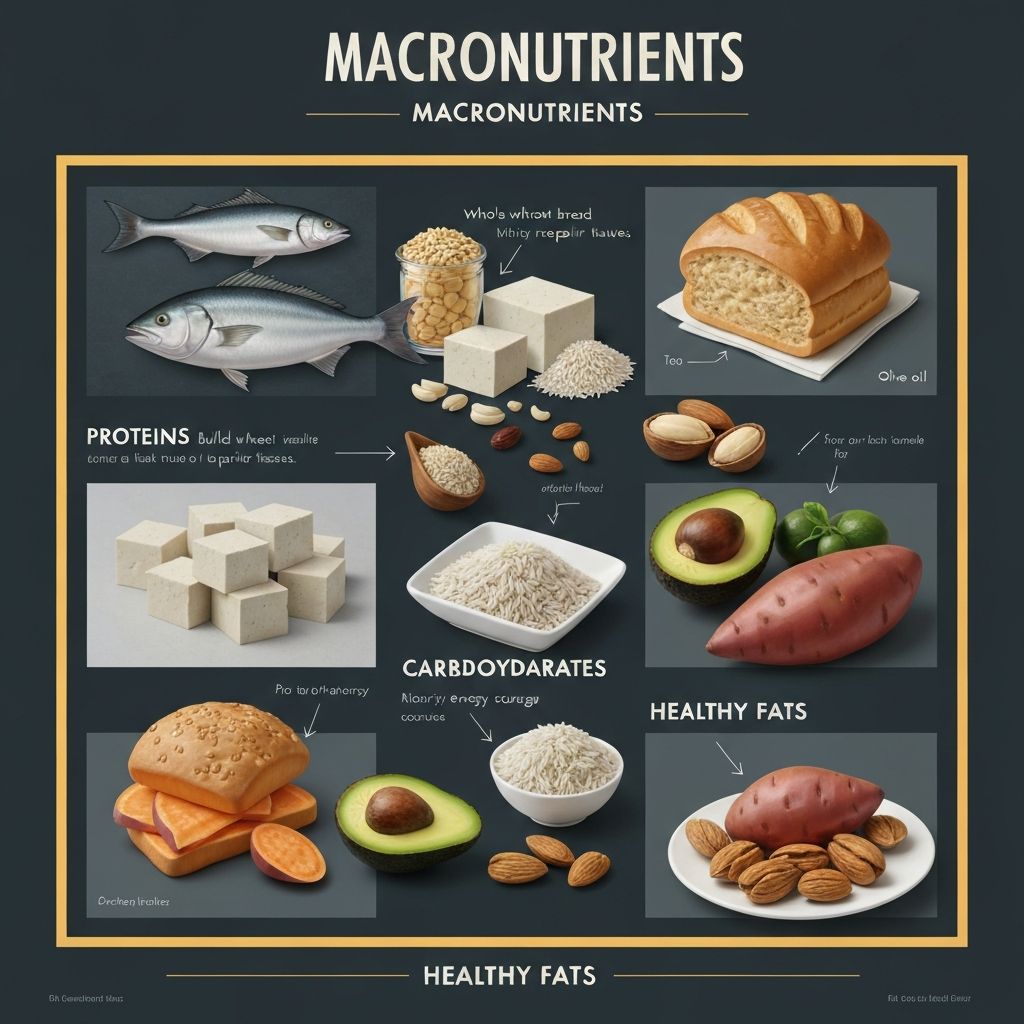
Proteins: Structure and Function
Proteins are organic compounds composed of amino acids linked in linear chains. They serve multiple critical functions in the body:
- Building and maintaining muscle tissue and other structures
- Facilitating biochemical reactions through enzyme activity
- Supporting immune function and hormone regulation
- Contributing to energy metabolism when other sources are limited
Proteins are found in diverse food sources including plant-based foods like legumes and nuts, as well as animal products. The quality and amino acid composition vary depending on the source.
Carbohydrates: Energy and Metabolic Fuel
Carbohydrates are organic compounds that serve as the primary energy source for cellular function. They are classified into different categories based on their molecular structure:
- Simple carbohydrates: Quickly absorbed sugars found in fruits, honey, and processed foods
- Complex carbohydrates: Longer-chain structures found in whole grains, vegetables, and legumes
- Fiber: Indigestible carbohydrates that support digestive health and metabolic processes
The body breaks down carbohydrates into glucose, which fuels cellular energy production and supports brain function.
Lipids (Fats): Essential Functions
Despite their sometimes negative reputation, lipids are essential macronutrients that perform critical functions:
- Providing energy (9 calories per gram, more than carbohydrates or proteins)
- Supporting absorption of fat-soluble vitamins (A, D, E, K)
- Maintaining cell membrane structure and integrity
- Regulating hormone production and signaling
Different types of fats include saturated fats, unsaturated fats, and trans fats, each with distinct biochemical properties and roles in metabolic processes.

Macronutrient Balance and Metabolic Function
The body's ability to maintain health depends on receiving appropriate amounts of all macronutrients. Metabolic processes require coordinated interaction between carbohydrate, protein, and fat metabolism to support energy production, cellular repair, and physiological regulation.
Individual macronutrient requirements vary based on age, activity level, metabolic factors, and overall health status. Understanding these principles supports informed decision-making about nutrition and lifestyle choices.
Conclusion
Macronutrients form the foundation of nutritional science. Each macronutrient category plays distinct yet interconnected roles in supporting metabolic function, energy production, and overall well-being. A balanced approach to nutrition that includes all macronutrient categories supports comprehensive metabolic health.